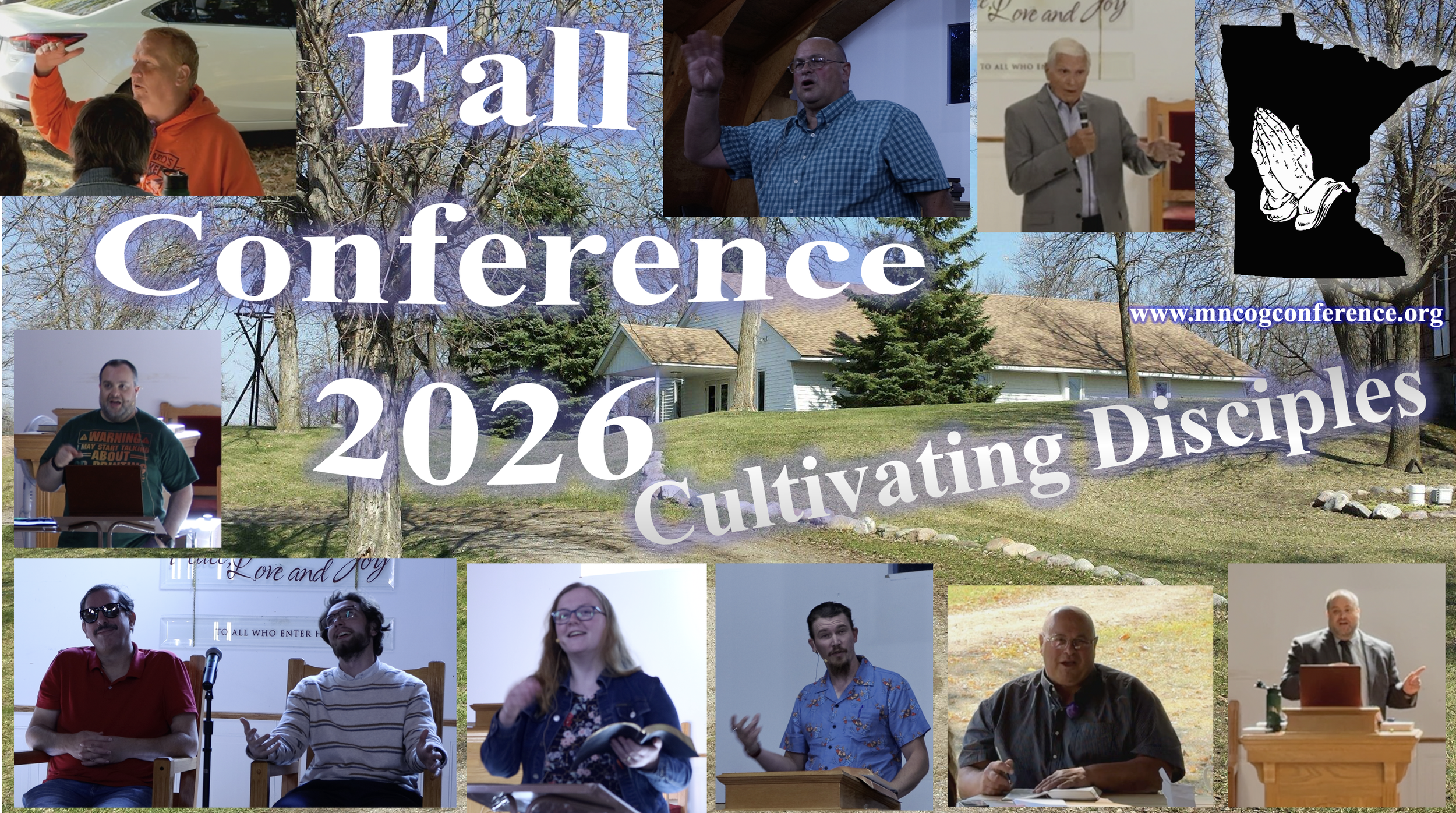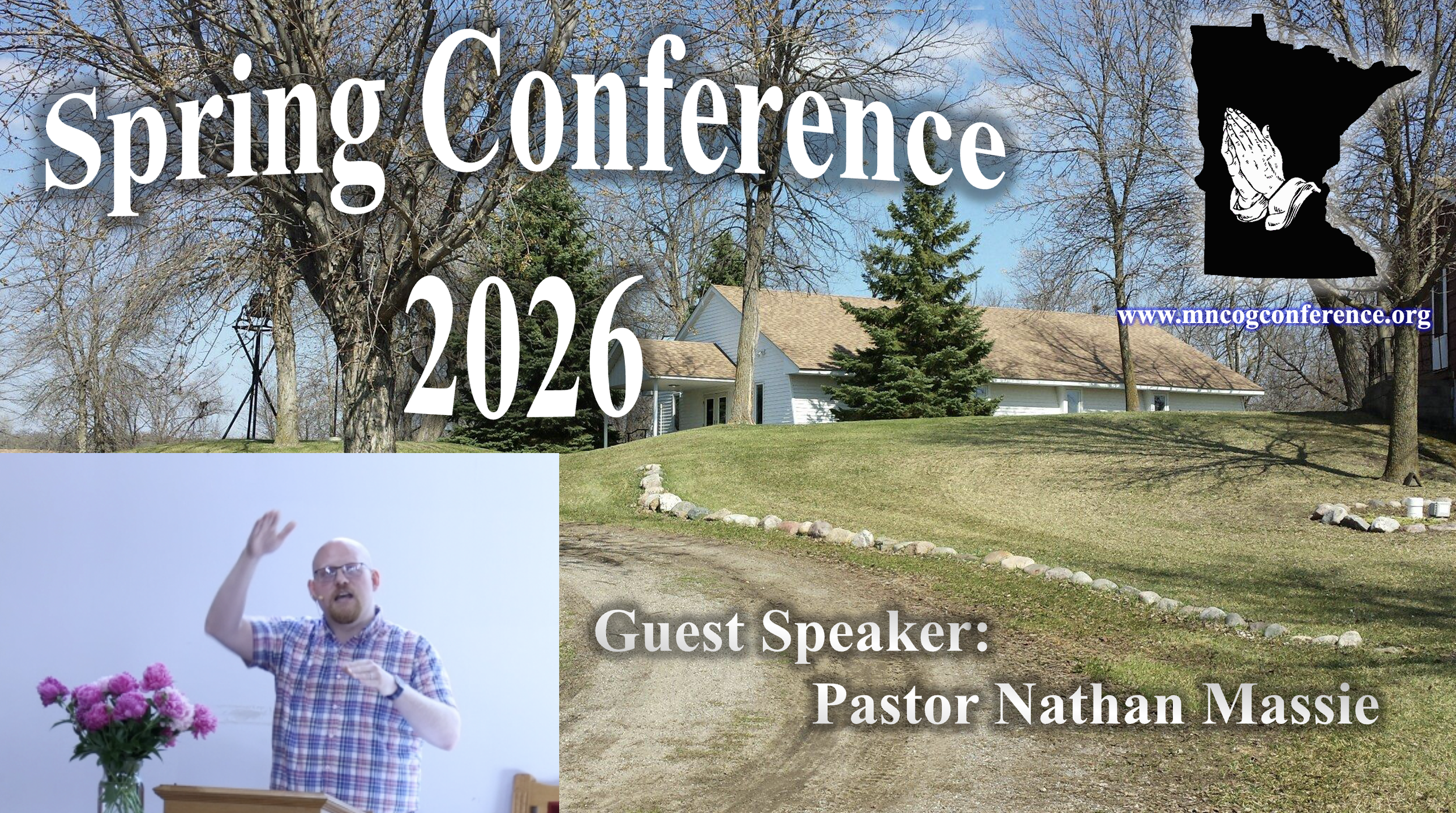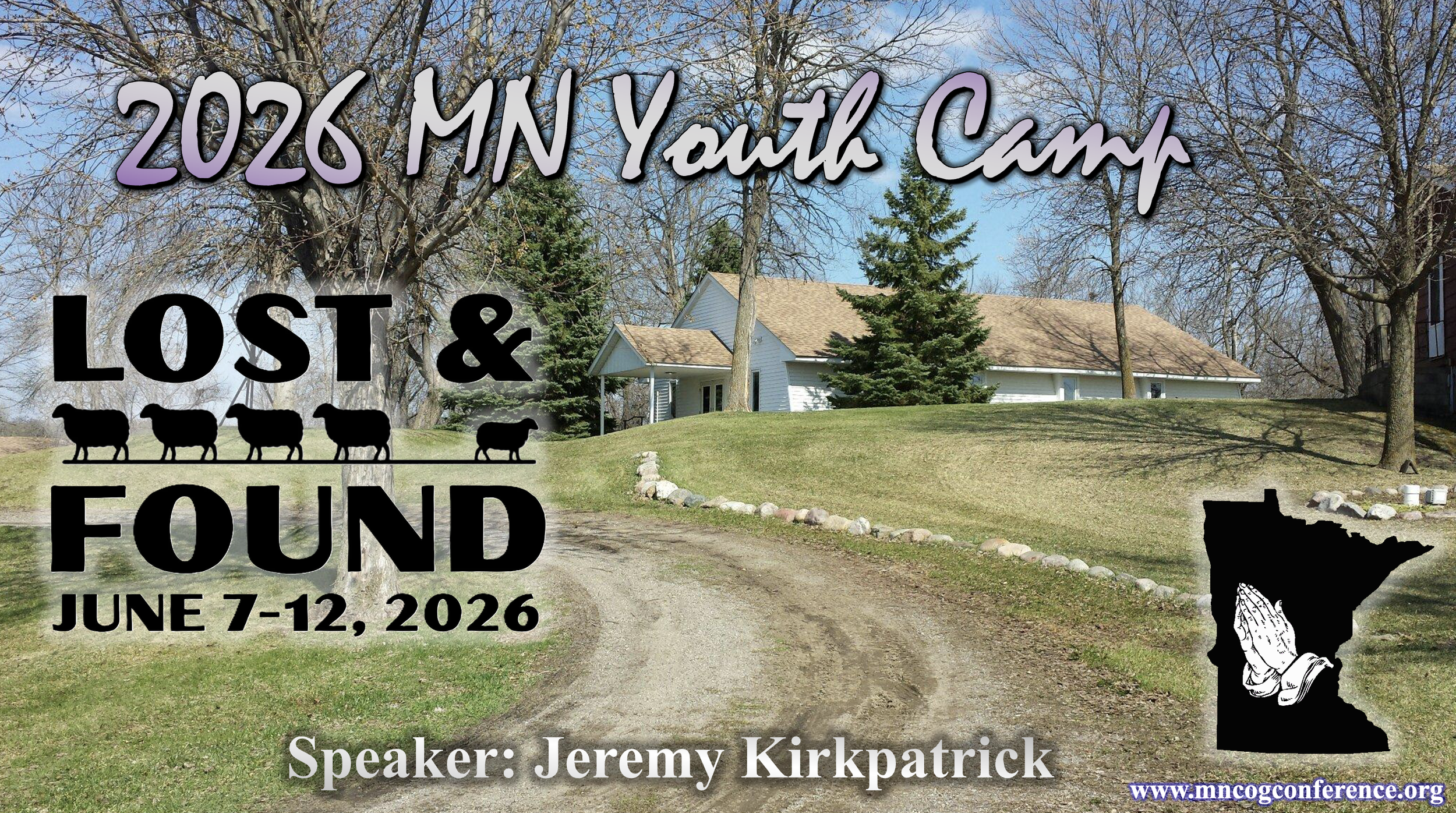


Welcome
Official Website of the Minnesota State Conference of the Churches of God
Upcoming Events:
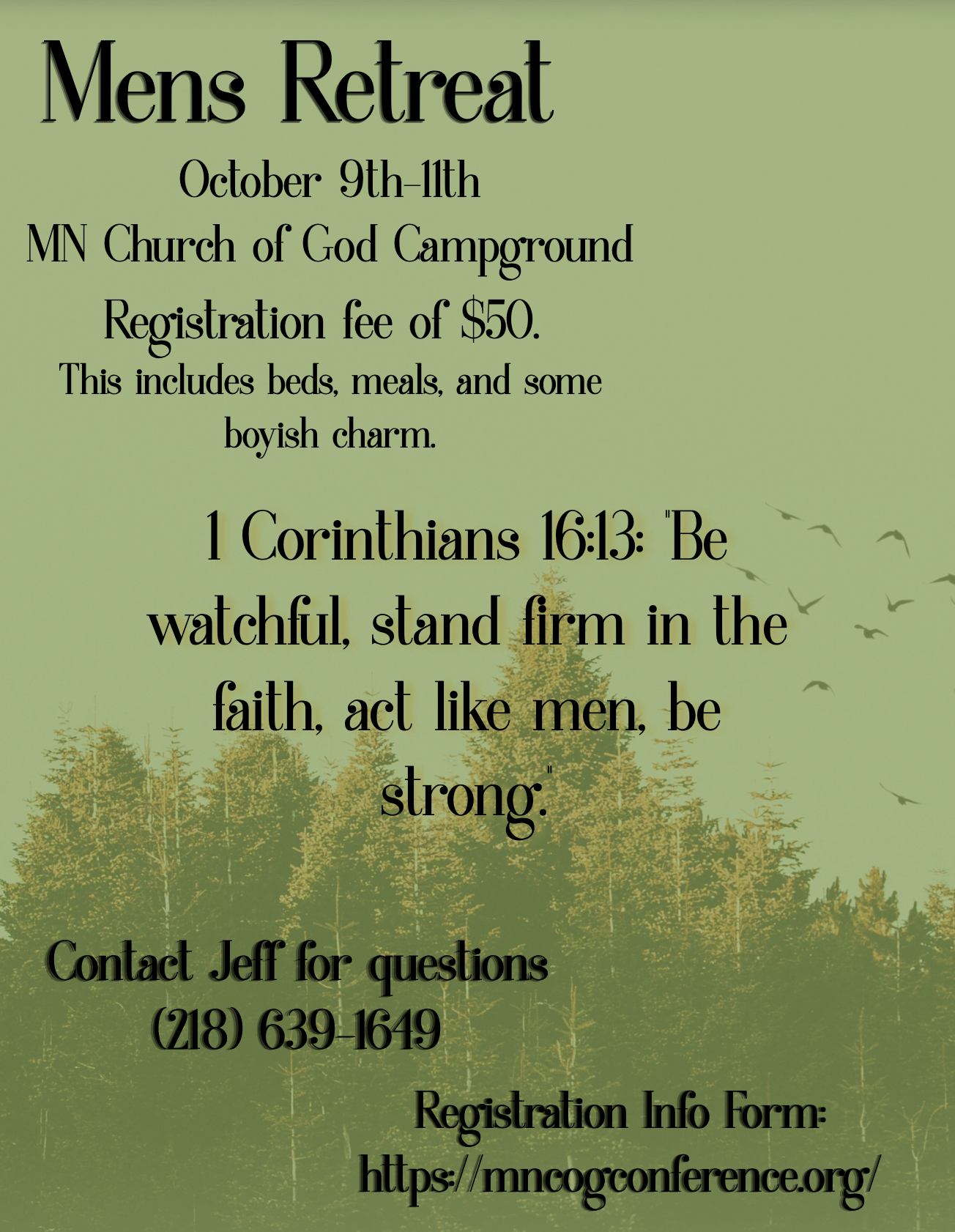
Please Regiester for Men’s Conference here.
Various Articles:

A key consideration as the works of the flesh and the fruit of the Spirit are compared and contrasted is the question, “What controls my life?” As I make daily decisions, what directs me?
The law was essentially impossible to follow in its entirety to “get an A” with God. Enter, Jesus.
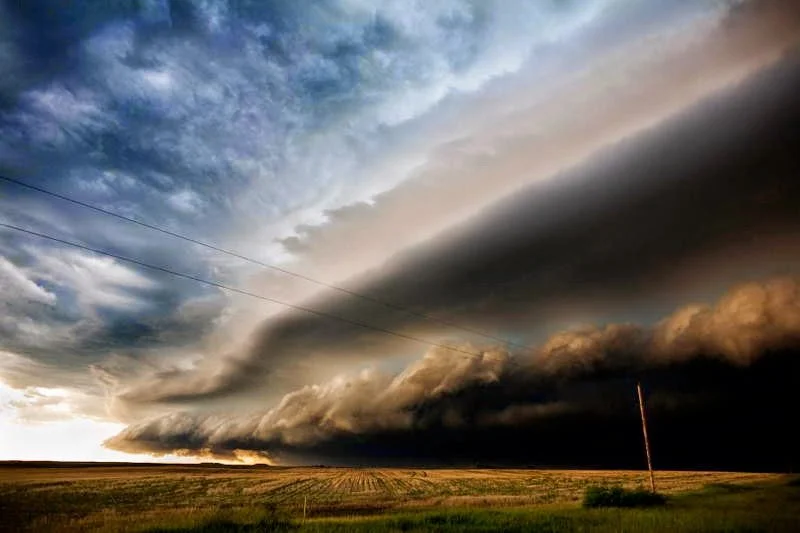
Viv's co-worker was coming home from the vet soaked to the bone, with streets that were flooded, and only found out later she was only a few blocks away from where streets were getting filled in by mud.Our God is our refuge in the storms that are in our life's
Each day is a new beginning in our pursuit of a meaningful life. If we don’t prepare properly for that day, we often miss out on opportunities to live a life of purpose.
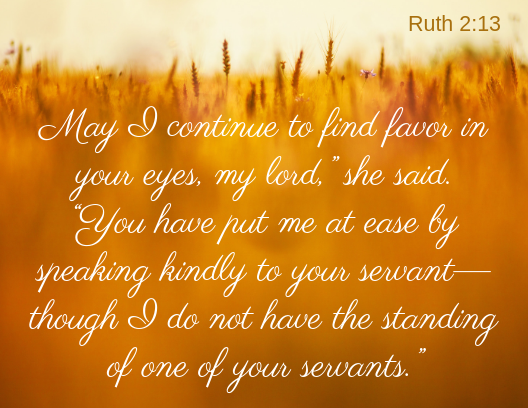
Upon hearing that Ruth is gleaning from his field, he finds her, and further shows his noble character.
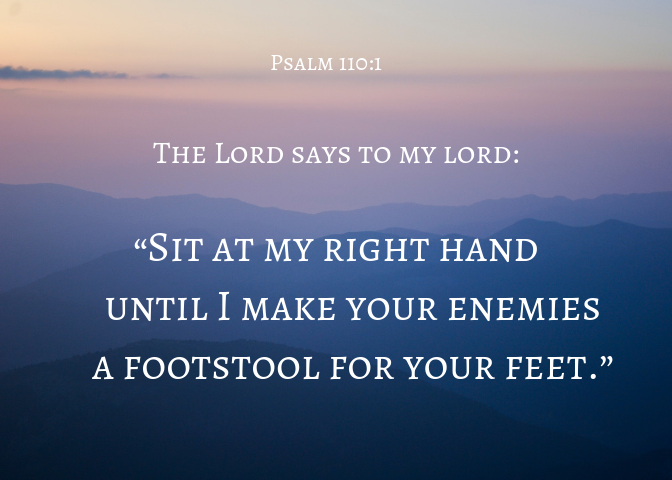
Please free me from the blinders on my eyes, or mind, or wherever they are, that sometimes prevent me from viewing your scripture with emotion, be it joy or conviction, resolution or guilt, pride or shame.
Grandpa Burnett was always willing to lend a helping hand to a neighbor. Sometimes, the neighbor might not even be aware of it. I remember my mom saying this about her dad.
“If your grandpa found a hole in his neighbor’s fence, he wouldn’t tell the neighbor. Grandpa would just fix it himself.”
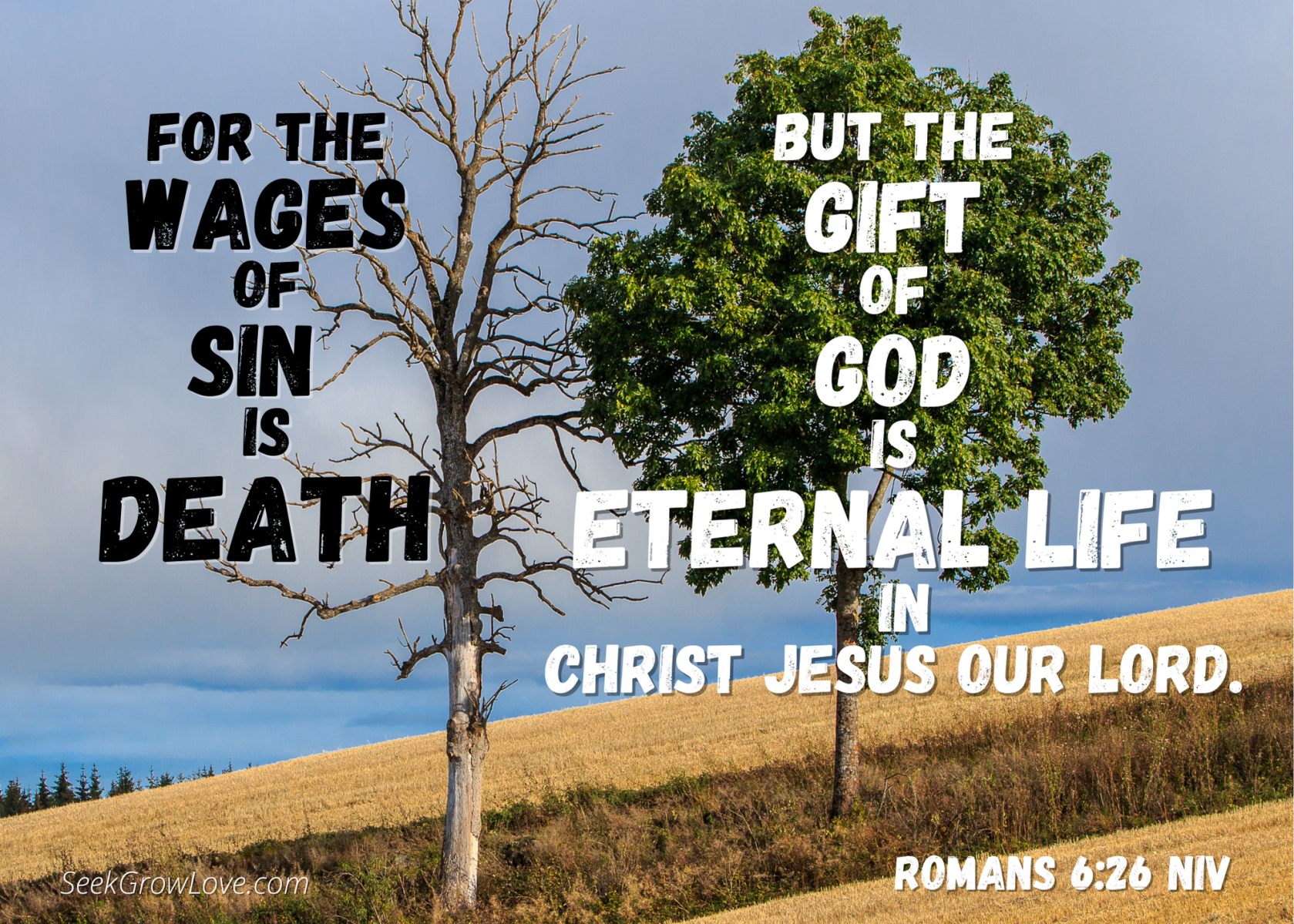
There is no sacrifice we could offer that would bring more value or worth (see Psalms 50) to us in His eyes
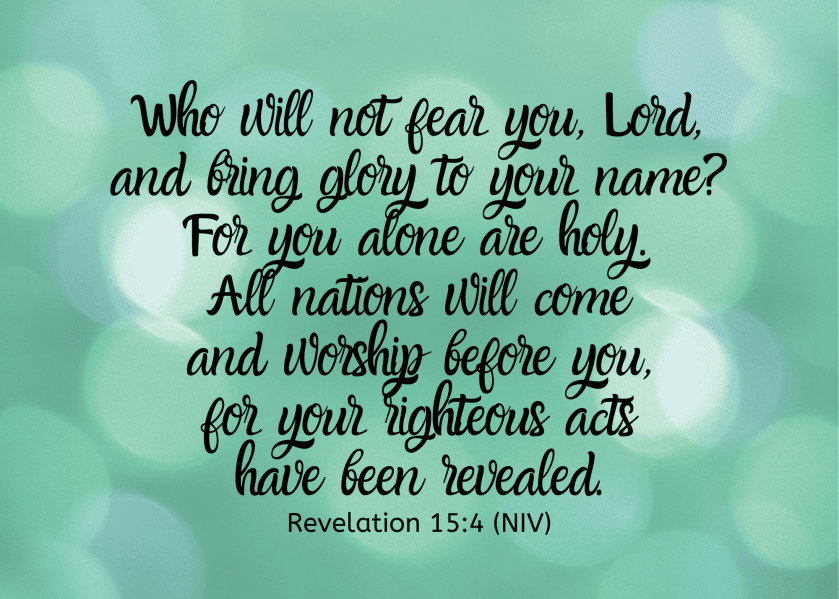
Revelation 15 involves the seven angels who will soon pour out seven bowls of God’s wrath onto the earth, completing that wrath.
Various VIDEOS:

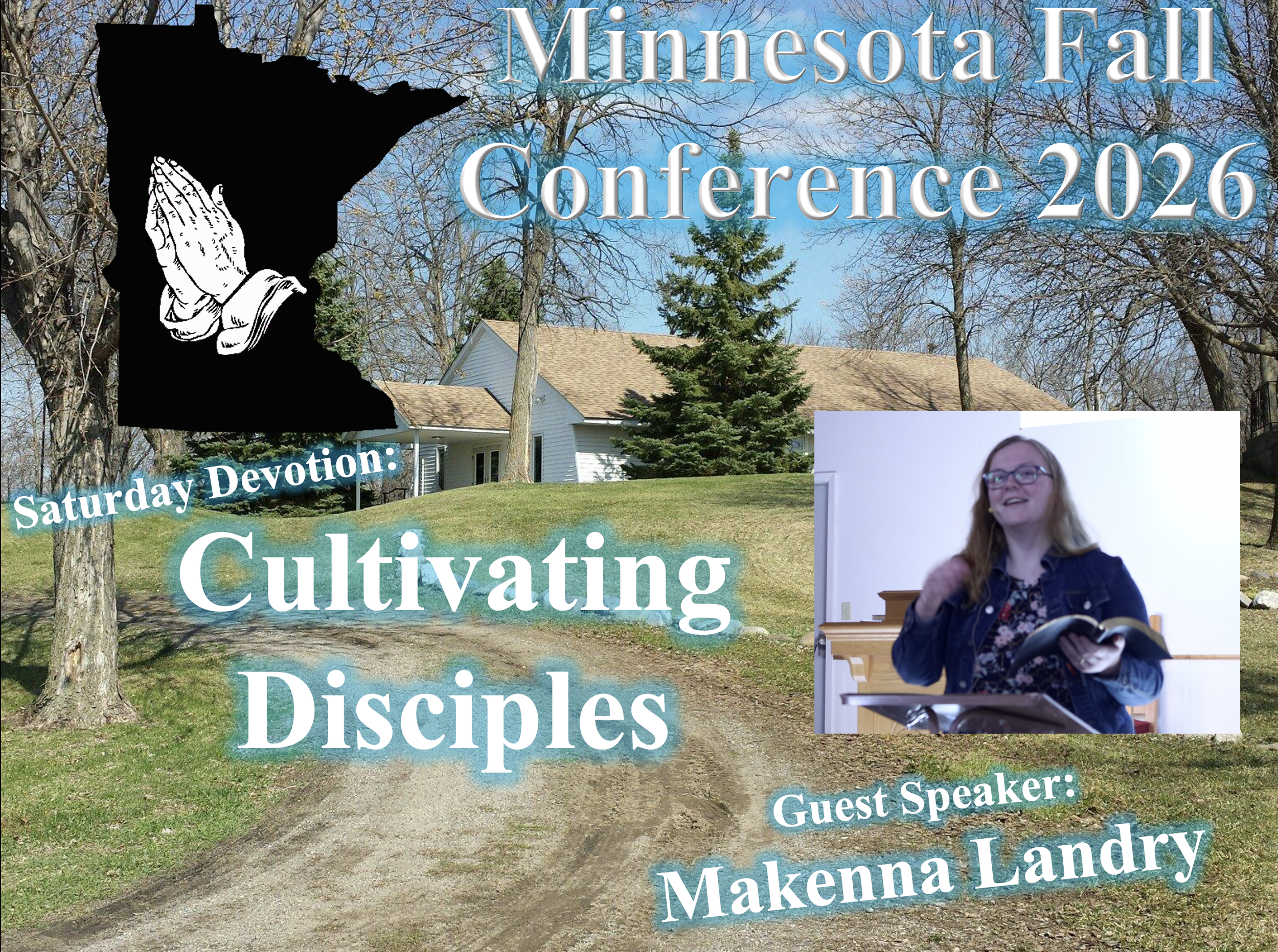

Various Sermon Series from the Minnesota Church Conference: